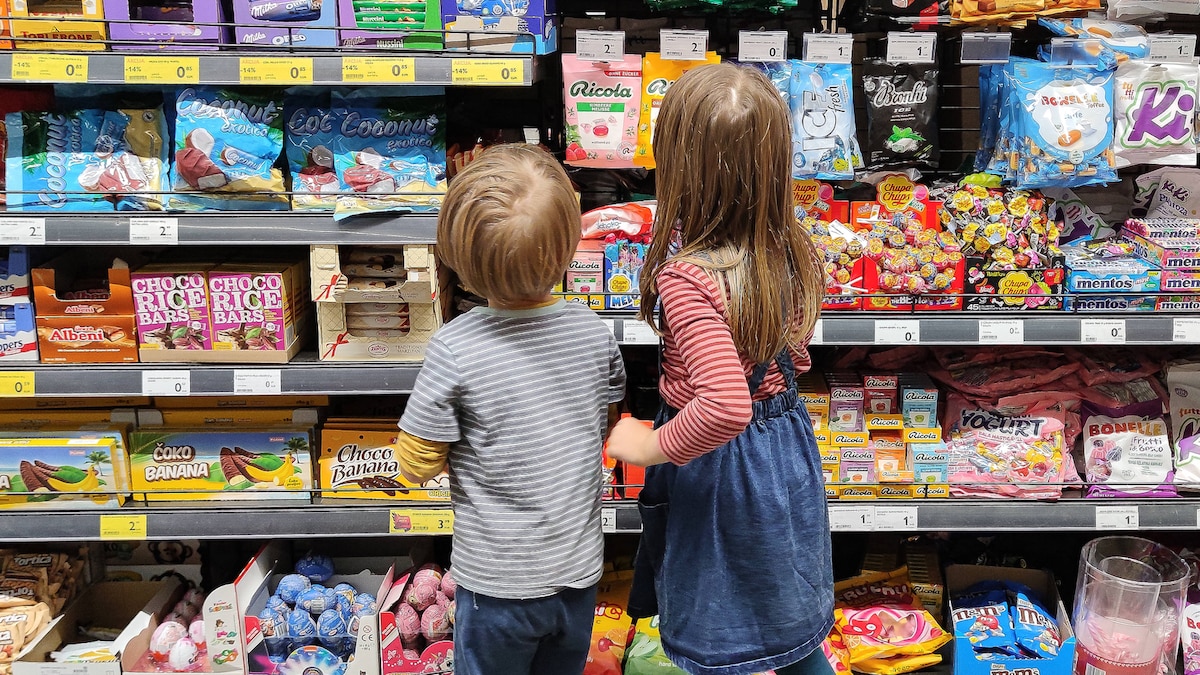
Are You Wasting Money on Unnecessary 'Kids' Foods'? A Critical Guide for Parents
Just as navigating health insurance options—like choosing between private plans (comparable to Germany's PKV) and public programs (like Medicare/Medicaid, similar to Germany's GKV)—requires careful scrutiny, so does navigating the grocery aisle for your children. The consumer advice center in Brandenburg, Germany, has issued a stark warning: a vast array of so-called 'children's foods' are simply unnecessary. Nutrition scientist Uwe Knop explains the background and answers key questions to help you, the parent, make informed decisions and protect your family budget.
The Marketing Trap: How 'Kids' Foods' Target Your Wallet
Consumer advice centers strongly recommend that parents critically examine advertising messages. Why? Because there is a multitude of children's food products 'the world doesn't need.' Through targeted marketing strategies, manufacturers tap into a parent's fundamental desire to do everything right for their child's nutrition. However, what often goes unmentioned is that these products are typically more expensive, sweeter, or simply superfluous. By analyzing various products, experts reveal the truth behind the appealing slogans.
Case Study 1: The 'Children's Ketchup' Illusion
Take 'children's ketchup' as a prime example. It is not healthier; it often delivers more sugar at a higher price. One brand advertises, 'Sweetened with agave syrup instead of added crystal sugar.' But a glance at the nutritional label tells a different story: this children's ketchup contains 17 grams of sugar per 100 milliliters, compared to 13 grams in the same brand's standard 'adult' ketchup.
Carola Clausnitzer, a nutrition expert, clarifies: 'The advertisement 'sweetened with agave syrup' merely states the type of sugar used. It says nothing about the total sugar content.' Sugar is sugar, regardless of its source. Furthermore, this children's ketchup often costs more than the standard product—a clear case of paying a premium for a less healthy option.
Case Study 2: 'Baby Water' – An Unnecessary Expense
Products like 'baby water' are perhaps the most glaring example of an unnecessary and expensive purchase. With messages like 'Thirst quencher for infants and for preparing baby food,' manufacturers create a perception of a special, essential product. In reality, they are marketing an expensive alternative to perfectly safe tap water.
Baby water can cost approximately 170 times more than water from your tap. 'Parents can save this money and use boiled tap water without any concerns for infant nutrition,' advises the nutrition expert. In Germany, tap water is strictly controlled and of high quality almost everywhere, a standard similar to the regulated public water systems in the U.S.
Other Products to Question in Your Child's Diet
The consumer advice center also warns parents to be cautious of:
- Highly processed snack foods marketed as 'perfect for kids.'
- Yogurts and drinks with added sugars and vitamins, positioned as healthy.
- Any product relying heavily on cartoon characters or toy incentives.
How to Be a Savvy Shopper: Your Action Plan
It's not just parents who should critically question advertising promises. When buying packaged foods, it always pays to:
- Read the Ingredients List and Nutrition Label: This is your source of truth about what's actually in the product.
- Compare Similar Products: Look at sugar, salt, and price per unit across brands.
- Seek Independent Information: Consult resources from reputable consumer or nutritional organizations.
Once children have teeth and can chew, they generally do not need special 'children's foods.' They can and should eat what adults eat—specifically, the foods and meals they genuinely enjoy, which taste good to them, and which satisfy their hunger properly. 'Children's foods' are largely an invention of food manufacturers' marketing departments.
The Psychology Behind the Purchase: Marketing 101
Marketing plays the central role in designing and selling supposed children's foods. The focus is less on the food itself and more on the packaging, the story, the cute names, and, crucially, on creating a 'need.' This is best achieved through emotional connection and/or bonus gifts like toys.
The goal is twofold: to trigger a 'want' in the child through emotional ties to characters and presentation, and to amplify this desire with the 'wish-booster' of a toy. Most parents are familiar with this 'double-whining phenomenon.'
A Balanced Approach to Family Nutrition
From a scientific perspective, a rigid categorization of foods into 'healthy' and 'unhealthy' is neither possible nor advisable. Major nutritional science organizations reject this black-and-white thinking.
Therefore, parents can feel relaxed about occasionally offering a so-called children's food product. The foundation of healthy child nutrition, however, is fresh, high-quality foods within a diverse, varied, and balanced meal plan consisting of meals children truly enjoy.
The 3V Principle for Healthy Eating Habits
The core principles of good nutrition for children are simple. Just remember the 3Vs: Modeling, Variety, Availability.
- Modeling (Vorleben): Show that eating is a pleasurable and positive experience.
- Variety (Vielfalt): Consistently offer a wide range of different, good, fresh foods at home.
- Availability (Verfügbarkeit): Ensure this varied, wholesome food is always accessible.
Encourage children to try new things and free yourself from guilt. Give your children what they like, what tastes good to them, and what they tolerate well. Be relaxed about food. By following these guidelines, your child's eating behavior will be built on a solid foundation, allowing a natural and healthy relationship with food to develop.
Image source: Uwe Knop
Book Recommendation
'FINALLY EATING RIGHT' - Enjoy honestly with a good conscience - Trust your ETHICS & INTUITION by Uwe Knop.