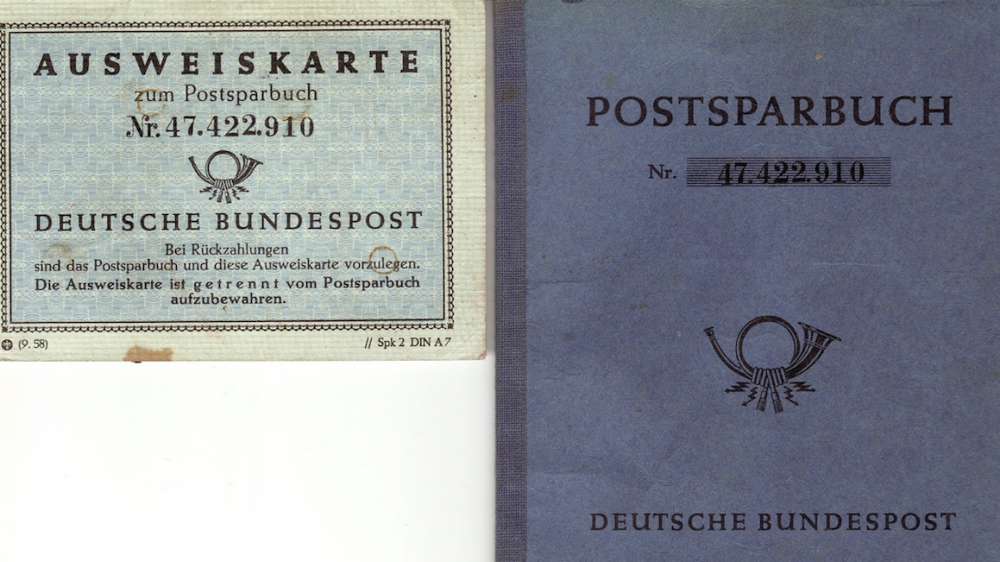
Savings Accounts vs. Smart Investments: What Germans' Money Habits Teach Us About Financial Planning
Have you ever held onto a financial habit long after you knew there were better options? You're not alone. A revealing survey by the GfK Association shows a fascinating paradox in German investment behavior. While only 12% of Germans consider a traditional savings book (Sparbuch) an attractive investment, a staggering 40% actually own one. This makes it the second most common form of investment nationwide, right behind homeownership. This gap between perception and reality offers a powerful lesson for your own financial planning, whether you're managing savings, investing for retirement, or choosing essential coverage like health insurance. Understanding the psychology behind 'safe' choices can help you make more informed decisions for your future.
The Attractiveness vs. Reality Gap: A Nation's Financial Portrait
The GfK survey of 2,000 people paints a clear picture of where Germans put their trust—and their money. Homeownership reigns supreme, with 76% finding it attractive and 46% investing in it. But the discrepancies for other assets are striking.
Consider this: 38% believe gold is an attractive investment, but only 6% actually own any. Similarly, 42% see company pensions as attractive, yet just 18% have one. This 'intention-action gap' is a critical concept. It shows that knowing something is good for you doesn't always translate into action, a principle that applies directly to securing adequate health insurance coverage or a robust retirement plan.
The Slow Rise of Stocks and Funds
There is a shift, albeit a slow one. In 2016, stocks and investment funds ranked 7th and 8th in attractiveness (20% each). Actual ownership was slightly lower, at 12% for stocks and 15% for funds. Interestingly, Germans appear more open to equities than their European neighbors; only 7% of Italians and 13% of French respondents found stocks attractive. Raimund Wildner, Managing Director of the GfK Association, attributes this to economic stability: "In Germany, where the economy is running smoothly, the attractiveness of stocks has more than doubled since 2011."

Bridging the Gap: From Safe Savings to Strategic Planning
The German affinity for savings accounts highlights a universal desire for security and simplicity. However, in an era of low interest rates, this 'safe' choice can erode purchasing power over time due to inflation. The same cautious mindset can lead to underinsurance—opting for a basic public health plan (GKV in Germany or Medicare alone in the US) without considering supplemental private health insurance (PKV) or a Medigap/Advantage plan to cover critical gaps.
Let's translate these investment principles into actionable advice for comprehensive financial health, including insurance.
| Financial Principle | Application to Investments | Application to Insurance & Long-Term Security |
|---|---|---|
| Security vs. Growth | Savings account (secure, low growth) vs. Diversified portfolio (managed risk, higher potential). | Basic statutory insurance (secure, may have gaps) vs. Complementary private coverage (manages risk of high out-of-pocket costs). |
| The Intention-Action Gap | Knowing stocks are good long-term ≠ buying them. | Knowing you need full health coverage ≠ comparing PKV plans or Medicare options during enrollment. |
| Impact of Economic Context | Stability boosts stock attractiveness (as in Germany). | Health and age changes should trigger insurance reviews (e.g., moving from GKV to PKV eligibility, or adjusting Medicare plans). |
| Long-Term Horizon | Homeownership is a long-term, illiquid asset. | Choosing a lifelong PKV tariff or a Medicare Supplement plan is a long-term health financing decision. |
| Professional Guidance | Using a financial advisor for portfolio construction. | Consulting an independent insurance broker (Versicherungsmakler) or Medicare advisor for personalized plan comparison. |
Your Action Plan for Smarter Financial Health
1. Audit Your 'Savings Account' Mindset: Are you over-relying on 'safe' but low-yield assets or insurance? Could your money or coverage work harder for you?
2. Bridge Your Personal Gap: Identify one financial intention you haven't acted on—be it starting an investment account or reviewing your health insurance deductibles.
3. Think Long-Term and Holistically: Your investment portfolio and your insurance coverage are two sides of the same coin: protecting and growing your wealth. A major medical expense can derail years of savings.
4. Seek Expert Advice: Just as you might consult a financial planner, leverage the expertise of insurance professionals to navigate complex choices between PKV and GKV or the myriad of US Medicare and private health insurance options.
The German survey reveals a comfort with the familiar, even when it's suboptimal. Don't let that be your story. Take proactive steps today to align your financial actions with your long-term security goals, ensuring both your savings and your health are well-protected.
Insurers and brokers face challenges in claims management with high backlogs, rising claim frequencies, skilled labor shortages, and growing customer expectations. Manual processes are expensive and slow.