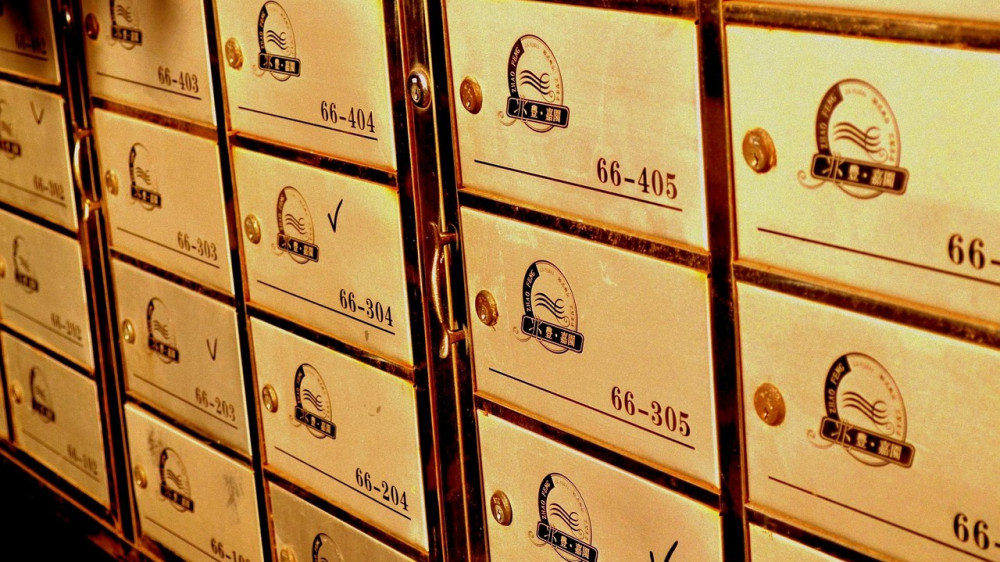
When Bank Vaults Fail: Unpacking the Insurance and Liability Lessons from a Major Heist
Imagine renting a safe deposit box in a bank's high-security vault, believing your valuables are protected by layers of steel, concrete, and alarms. Now, imagine thieves bypassing all of it. This isn't a Hollywood plot; it's the reality for customers of the Sparkasse Gelsenkirchen, following a sophisticated vault break-in. This incident does more than shock—it exposes fundamental flaws in our trust in bank security, liability laws, and insurance coverage for stored valuables. As an insurance customer or anyone using a safe deposit box, you need to understand where the bank's responsibility ends and where your personal financial exposure begins. This case is a stark lesson in risk management and asset protection.
The Core Issue: Bank Liability vs. "Acts of God"
From an insurance perspective, the break-in itself is not the insured event. What matters is the resulting property damage or loss, and more critically, whether the bank fulfilled its legal duty of care and security obligations. Courts have consistently ruled that banks marketing "high-security vaults" must provide a standard beyond the bare minimum. If they fail, they are liable.
- Case in Point (Hamburg Regional Court): A bank was held fully liable after thieves used a core drill to break into a safe deposit room. The court found the bank's security measures were insufficient for a space advertised as a "value protection room."
- Case in Point (Berlin Court of Appeal): A bank was held largely liable for granting a fraudster with a fake ID unsupervised access to the vault area.
The legal principle is clear: Banks have a non-delegable duty to protect your assets. If they neglect organizational, security, or supervisory duties, their liability insurance should cover customer losses. However, there's a major catch: the bank's insurance policy has a maximum coverage limit (Deckungssumme). In a heist involving dozens of boxes with high-value contents, this limit could be exhausted, leaving some customers undercompensated.
The Critical Burden: Proving What Was Lost
This is the most daunting hurdle for victims. Insurance companies—whether the bank's or your own—only pay for proven losses. Without concrete evidence of the vault's contents, securing compensation is extremely difficult, if not impossible.
- Cash is the Worst Asset to Store: While storing cash is generally permitted, proving how much was stolen is nearly impossible without a withdrawal slip or other bank record. Experts universally advise against keeping significant cash in a safe deposit box.
- Document Everything: For other valuables (jewelry, gold coins, documents, collectibles), you must maintain an updated inventory list with photographs, appraisals, and purchase receipts. Store this documentation separately from the box itself (e.g., in a cloud storage service or at home).
- Without Proof, Expect Denial: A claim stating "I had 50 gold coins worth €100,000" with no supporting evidence will almost certainly be rejected.
Insurance Coverage Analysis: Is Your Safe Deposit Box Protected?
| Coverage Source | Typical Protection for Safe Deposit Box Contents | Key Limitations & Exclusions | Action Required |
|---|---|---|---|
| Bank's Liability Insurance | Covers losses if the bank is found legally liable for negligence (e.g., failed security). | Subject to policy aggregate limits; requires proving bank negligence; lengthy legal process. | Understand the bank's liability terms; assume coverage may be limited. |
| Standard Homeowners/Renters Insurance (Hausrat) | May include off-premises coverage for valuables, sometimes including bank vaults. | Very low sub-limits for valuable items (e.g., €5,000-€15,000 total); may exclude certain perils like theft from a financial institution. | Review your policy's "scheduled personal property" or "valuables" section. Know the sub-limit. |
| Scheduled Personal Property Floater / Valuable Articles Policy | Best coverage. Items are specifically listed (scheduled) with agreed values. Coverage is worldwide and often includes "mysterious disappearance." | Requires professional appraisal for high-value items; adds to premium cost. | Schedule high-value jewelry, art, coins, etc. on a separate floater. Ensure location includes "bank vault." |
| Specialized Safe Deposit Box Insurance | Policies specifically designed for contents of safe deposit boxes. | Can be expensive; still requires detailed inventory and proof of value. | Compare quotes if standard insurance is insufficient. Read exclusions carefully. |
Practical Steps to Protect Your Valuables
Don't wait for a break-in to act. Follow this checklist to mitigate your risk:
- Create a Detailed Inventory: Photograph every item in your box. List descriptions, serial numbers (for collectibles), and current market values. Update this annually.
- Secure Appraisals and Receipts: For jewelry, art, or rare coins, obtain recent professional appraisals. Keep digital copies in secure cloud storage.
- Review Your Personal Insurance: Contact your agent. Ask: Does my homeowners or renters insurance cover items in a bank vault? What is the specific sub-limit? Is theft from a financial institution excluded?
- Consider a Scheduled Floater: For any single item or collection worth more than a few thousand euros, a scheduled personal property policy is the gold standard. It provides agreed-value coverage and fewer exclusions.
- Understand Your Bank's Contract: Read the safe deposit box rental agreement. It likely limits the bank's liability significantly and may list excluded items (e.g., cash, illegal substances).
- Diversify Storage: For extreme risk aversion, consider splitting ultra-high-value collections between multiple secure locations.
Conclusion: Trust, But Verify and Insure
The Gelsenkirchen heist is a powerful reminder that no security system is infallible. While banks have a strong duty to protect your assets, the ultimate responsibility for safeguarding your wealth lies with you. This means going beyond trust and implementing a disciplined strategy of documentation, regular policy review, and targeted insurance coverage. Treat your safe deposit box as a risk management tool, not a guarantee. By taking these proactive steps, you ensure that even if the vault's door is compromised, your financial recovery is not.