Can You Lower Your Blood Pressure Without Medication? What the Research Says About This Powerful Vegetable
You might be surprised to learn that your oral health is more than just a cosmetic concern—it can significantly impact your heart and blood vessels. Emerging research highlights that inflammation in the mouth is an underestimated risk factor for high blood pressure, heart attack, and stroke. Today, we’ll explore the powerful connection between your diet, your oral microbiome, and your cardiovascular health, and show you a natural strategy to support healthy blood pressure.
The Study: How a Simple Dietary Change Impacted Blood Pressure
A compelling study from the UK provides fascinating insights. Researchers divided 75 healthy adults into two groups: younger participants (18-30 years old) and older participants (67-79 years old). For two weeks, half of the participants drank a concentrated serving of beetroot juice twice daily. The focus was on the dietary nitrate found abundantly in beets. The control groups received either a nitrate-free placebo juice or common over-the-counter antiseptic mouthwash.
The results were telling. In the older adults who drank beetroot juice, blood pressure levels decreased after the two-week period. Crucially, their oral flora changed: harmful bacteria that can block nitric oxide and damage blood vessels were reduced, while beneficial bacteria that promote vascular health increased. Younger participants showed minimal changes, suggesting this intervention may be particularly effective for an aging population.
The Science: Why Beets (and Your Mouth) Matter for Your Heart
"We have long known that nitrate-rich vegetables support vascular health," said lead researcher Anni Vanhatalo. "What's new is the evidence that oral flora plays a key role and that older people benefit particularly."
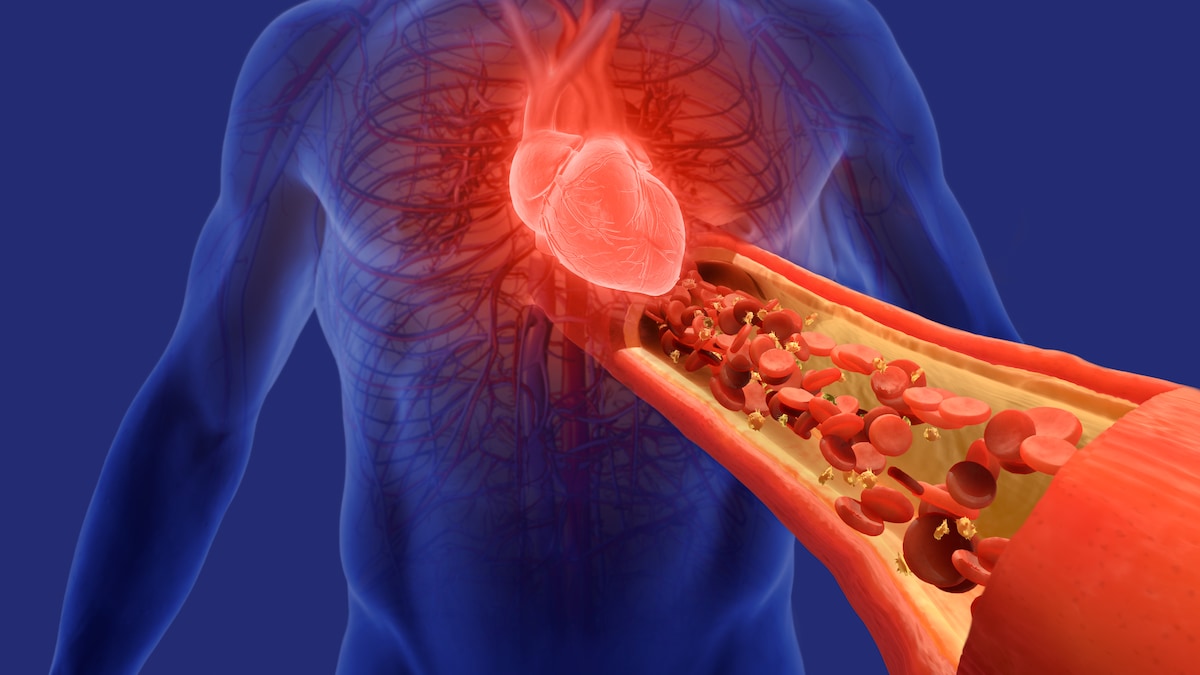
Here’s the process: Nitrate from vegetables like beets is converted into nitrite in your mouth by specific bacteria. This nitrite then promotes the formation of nitric oxide in your blood. Nitric oxide is a vital signaling molecule that relaxes and widens your blood vessels, thereby helping to lower blood pressure naturally.
This means nitrate-rich foods can strategically influence your oral microbiome to support cardiovascular function, especially for older individuals with mildly elevated blood pressure.
Beyond Beets: Other Nitrate-Rich Foods for Heart Health
While beetroot is a superstar, it's not alone. You can also find beneficial dietary nitrates in these vegetables:
- Leafy greens (like spinach, arugula, and kale)
- Certain cabbage varieties (like red cabbage)
- Celery
- Radishes
A Crucial Warning: The Mouthwash Dilemma
If you believe using antiseptic mouthwash is automatically good for your health, you might want to reconsider. The study found that in younger participants, these solutions reduced the diversity of oral flora and weakened the vascular response. An over-sterilized mouth can disrupt its natural bacterial balance and may indirectly worsen vascular health. This highlights the importance of a balanced oral microbiome.
Expert Perspective: A Balanced Approach to Blood Pressure Management
Dr. Daniel Dürschmied, Director of the Medical Clinic at University Hospital Mannheim, offers a measured view. He states that moderate consumption of beetroot juice is not objectionable. However, he clarifies: "As a sole therapy for lowering blood pressure in hypertension, beetroot juice is certainly not sufficient." Long-term studies are still needed. "The potentially favorable and unfavorable effects of permanently drinking beetroot juice are therefore unknown," Dürschmied adds.
His top tips for lowering blood pressure without medication include:
For nutrition, he strongly recommends the Mediterranean diet, rich in fruits, vegetables, low-fat dairy products, less red meat, and more fish. A critical, often-overlooked factor is salt intake.
"Unfortunately, far too little attention is paid to salt intake in terms of diet," Dürschmied emphasizes. "Hypertensive patients can lower their systolic blood pressure by about five mmHg simply by reducing their salt intake—by almost one mmHg for every gram of salt saved." He suggests using potassium chloride-based salt substitutes (often sold as "light salt") instead of traditional sodium chloride salt, as they have a less negative impact on blood pressure.
Understanding Your Options: A Quick Healthcare System Analogy
Just as individuals in Germany navigate choices between Private Krankenversicherung (PKV) and Gesetzliche Krankenversicherung (GKV) to manage their health, managing blood pressure requires understanding your options. Think of natural approaches (like diet and exercise) as a foundational, preventative plan—similar to the broad coverage of public systems. Targeted nutritional strategies (like adding beetroot juice) can be seen as a supplementary, personalized layer of care, akin to private insurance add-ons. For diagnosed hypertension, consistent medical guidance is your essential core coverage—your non-negotiable "Medicare"—while lifestyle changes act as valuable "Medicaid"-like supports for long-term wellness. Always consult your doctor to create the right integrated plan for you.
Actionable Summary: Your Heart-Health Strategy
| Strategy | Action | Key Benefit |
|---|---|---|
| Dietary Focus | Incorporate nitrate-rich vegetables (beets, leafy greens). | Supports nitric oxide production for healthy blood vessels. |
| Oral Care Balance | Be mindful of overusing antiseptic mouthwashes. | Protects the oral microbiome essential for nitrate conversion. |
| Overall Nutrition | Adopt a Mediterranean-style diet, reduce sodium. | Provides comprehensive heart-healthy nutrients. |
| Medical Guidance | Consult your doctor for personalized plans. | Ensures safe and effective management, especially with existing conditions. |
By combining a diet rich in specific vegetables like beets with mindful oral care and broader lifestyle changes, you can take proactive, natural steps to support healthy blood pressure and overall cardiovascular wellness.