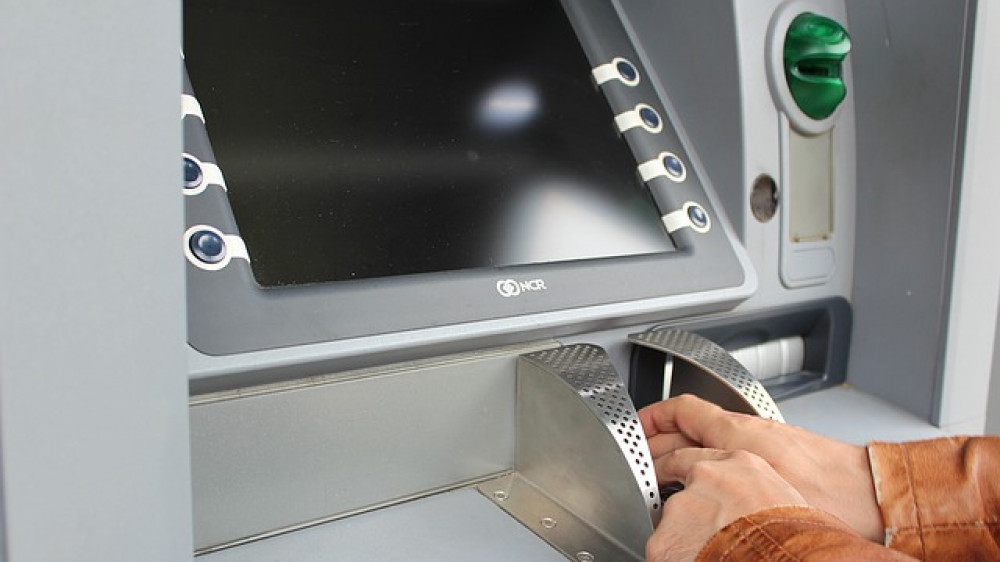
Vanishing ATMs: Navigating Germany's Shifting Cash Landscape and Your Financial Flexibility
Imagine needing cash for a local market, a small business, or an emergency, only to find your nearest ATM has disappeared. This scenario is becoming more common across Germany. Despite the nation's well-documented love for cash—used in 74% of all transactions—the number of ATMs is in steady decline. From 61,100 machines in 2015, the count fell to roughly 58,400 by the end of 2017, a loss of 2,700 access points. This trend, often called the "ATM extinction," is reshaping how you access your money and manage your day-to-day financial liquidity.
Why Are ATMs Disappearing? The Simple Math of High Costs
The primary driver is stark economics. Operating an ATM is expensive. Jürgen Gros, head of the Bavarian Cooperative Association, cites an annual cost of €20,000 to €25,000 per machine for maintenance, security, cash replenishment, and network fees. For banks, especially in an era of low-interest margins and digital transformation, this cost must be justified by revenue. With many customers making fewer but larger withdrawals and the rise of contactless payments, the traditional ATM business model is under severe pressure. Banks are critically assessing their physical networks, and unprofitable machines are being removed.
The Paradox: High Demand Meets Shrinking Supply
This retreat creates a clear paradox. While ATM numbers fall, demand for cash remains robust. In 2016, Germans used ATMs over 2.25 billion times—a 3.8% increase from four years prior. This highlights a significant gap between consumer behavior and banking infrastructure strategy. The burden of maintaining access is falling disproportionately on certain institutions:
- Savings Banks (Sparkassen): ~25,700 ATMs
- Cooperative Banks (Volksbanken, Sparda): ~18,300 ATMs
- Private Banks (Cash Group - Deutsche Bank, Commerzbank): ~7,700 ATMs + 7,700 Shell gas station partners
To sustain these networks, many institutions are introducing fees. As of March, 69 savings banks and 311 cooperative banks charged for ATM withdrawals, typically after allowing a few free transactions per month.
Your New Alternatives: From Supermarket Checkouts to Digital Planning
As traditional ATMs vanish, new solutions are emerging. Your strategy for accessing cash needs to adapt. Here are the key alternatives and what they mean for your personal finance management:
- "Cash Back" or "Cash in Shop": This is the fastest-growing alternative. When shopping at partnered supermarkets like Rewe, Edeka, Penny, Netto, and Aldi Süd, you can withdraw cash at the checkout. The amount is simply added to your grocery bill and debited from your account. Pioneered by direct banks like DKB and N26, this method leverages existing retail infrastructure to fill the access gap.
- Strategic Banking Relationships: If cash access is crucial for you, consider choosing a primary bank from the savings or cooperative sectors, which maintain the most extensive ATM networks. Be sure to understand their fee structure for withdrawals.
- Embracing Digital Payments (Cautiously): While not a cash solution, increasing your use of contactless card payments, mobile wallets (like Apple Pay, Google Pay), and online banking can reduce your dependency on physical cash. This aligns with broader trends in financial technology.
Broader Implications for Your Financial Security and Planning
This trend isn't just about convenience; it touches on broader themes of financial inclusion and emergency preparedness.
- Emergency Cash Reserves: The reduced predictability of ATM access reinforces the classic advice of keeping a reasonable amount of cash at home in a secure location as part of your emergency fund. This ensures liquidity during power outages, technical network failures, or other disruptions.
- Impact on Budgeting and Spending: For many, using cash is a proven budgeting technique to control discretionary spending. If accessing cash becomes more difficult or costly, it may force a shift to digital budgeting tools and apps to maintain financial discipline.
- Considerations for Businesses and Seniors: Small businesses that are cash-heavy and older demographics less comfortable with digital payments may be disproportionately affected. This highlights the need for inclusive banking solutions.
Conclusion: Adapting to a Less-Cash, Not Cashless, Future
Germany is not becoming a cashless society overnight, but it is moving towards a "less-cash" reality with a reconfigured access model. The decline of ATMs is a clear signal from banks about the cost of maintaining physical financial infrastructure. For you, the consumer, this means proactively adapting your habits. Familiarize yourself with "Cash Back" options at your local supermarket, review your bank's fee policy, and ensure your overall financial plan accounts for how you manage liquidity. By staying informed and flexible, you can navigate this shift without letting it disrupt your financial well-being or your preference for the tangible security of cash.