Flooded Bank Safe Deposit Boxes: Why Your Valuables Might Not Be Insured
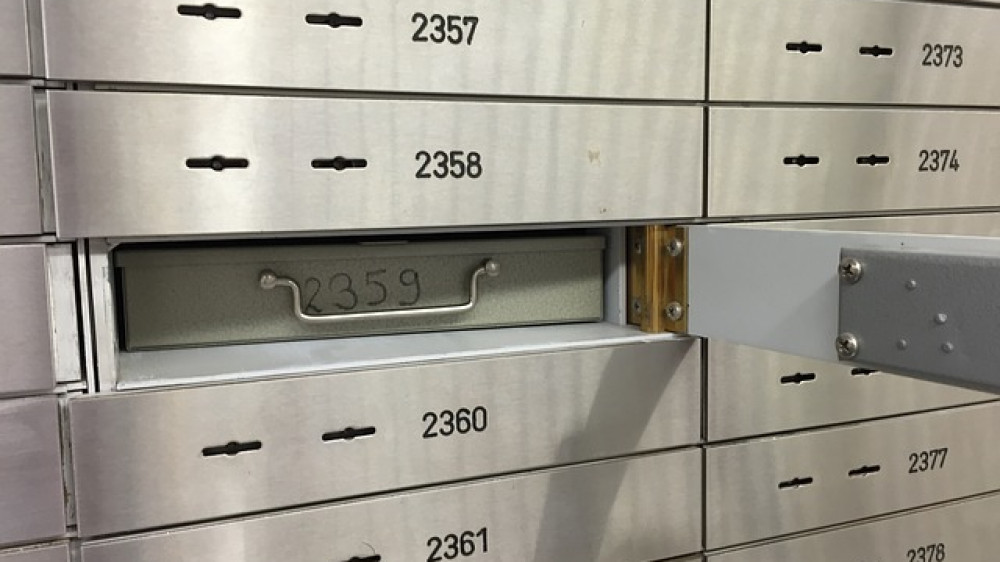
You trust your bank's safe deposit box to be the most secure place for your valuables—family heirlooms, important documents, or precious collections. But a recent incident in Germany serves as a stark warning: that metal box may not offer the financial protection you assume. When a Sparkasse branch in Bad Salzdetfurth flooded after heavy rains, 280 safe deposit boxes were submerged. The bank's response? A compensation offer of approximately $50 per box for "inconvenience." For customers who lost items worth thousands, this was a devastating revelation. This case highlights a crucial, often overlooked aspect of personal asset protection: understanding the limits of your bank's liability and securing appropriate valuables insurance. Whether you're in Germany or the US, the principles of safeguarding your stored assets are universally important.
The Incident: A Flood Exposes an Insurance Void
In late July, persistent heavy rain caused local rivers to overflow, flooding the basement of a Sparkasse branch up to the ceiling. The water damaged the contents of 280 rented safe deposit boxes. However, most customers faced total loss because the items inside were not insured against natural disasters like flooding. The bank stated it had transparently communicated that customers were responsible for obtaining their own elemental damage insurance. One affected customer, a stamp collector, reported losing a collection valued at over $20,000. The bank's blanket $50 offer, based on a lack of inventory for those specific boxes, left many feeling betrayed and financially exposed.
The Critical Gap in "Security"
This event underscores a widespread misconception. Renting a safe deposit box primarily pays for physical security against theft, not for insurance coverage against all risks. The bank's liability is typically severely limited by its terms and conditions. Common exclusions include:
- Natural Disasters: Flood, earthquake, fire (unless caused by bank negligence).
- Mysterious Disappearance: If an item goes missing without evidence of forced entry.
- Inherent Vice: Deterioration of items like paper or photographs over time.
Even when some insurance is included in the rental fee, it's often capped at a low amount. For example, one German cooperative bank mentioned caps coverage at around $2,000—far below the value of many stored items.
How to Truly Protect Your Stored Valuables
Don't let assumptions put your assets at risk. Follow these steps to ensure comprehensive protection:
1. Read Your Bank's Agreement Carefully
Before renting a box, thoroughly review the bank's Terms and Conditions (AGB) or rental contract. Look specifically for sections on liability, exclusions, and any included insurance limits. This is your first line of defense.
2. Document Everything You Store
Create a detailed inventory of every item you place in the box. For high-value items like jewelry, coins, or collectibles:
- Take clear photographs or videos.
- Keep original receipts, appraisals, or certificates of authenticity.
- Store this documentation separately from the box (e.g., in a home fireproof safe or digitally in the cloud).
This proof is essential for any future insurance claim.
3. Explore Insurance Options
Contact your homeowners insurance or renters insurance provider. In the US, these policies often extend limited coverage to items in a bank safe deposit box, but sub-limits for specific categories (e.g., cash, securities, jewelry) usually apply. You may need to purchase a scheduled personal property floater or a separate valuables insurance policy to fully cover high-worth items. This is similar to the separate elemental damage insurance advised in the German case.
4. Consider Alternative Secure Storage
For items you rarely need to access, specialized high-security private vaults sometimes offer superior protection, including comprehensive insurance options as part of their service. Weigh the costs against the value and your peace of mind.
Key Takeaway: Security ≠ Insurance
The flood in Bad Salzdetfurth is a powerful reminder that physical security does not equal financial protection. Your bank's vault is designed to deter thieves, not to indemnify you against acts of nature or other accidents. Proactive risk management is your responsibility.
By understanding your bank's liability limits, meticulously documenting your valuables, and securing adequate insurance coverage—whether through a rider on your US homeowners policy or a separate plan—you transform that metal box from a potential point of vulnerability into a truly secure component of your overall financial planning and asset protection strategy. Don't learn this $50 lesson the hard way.