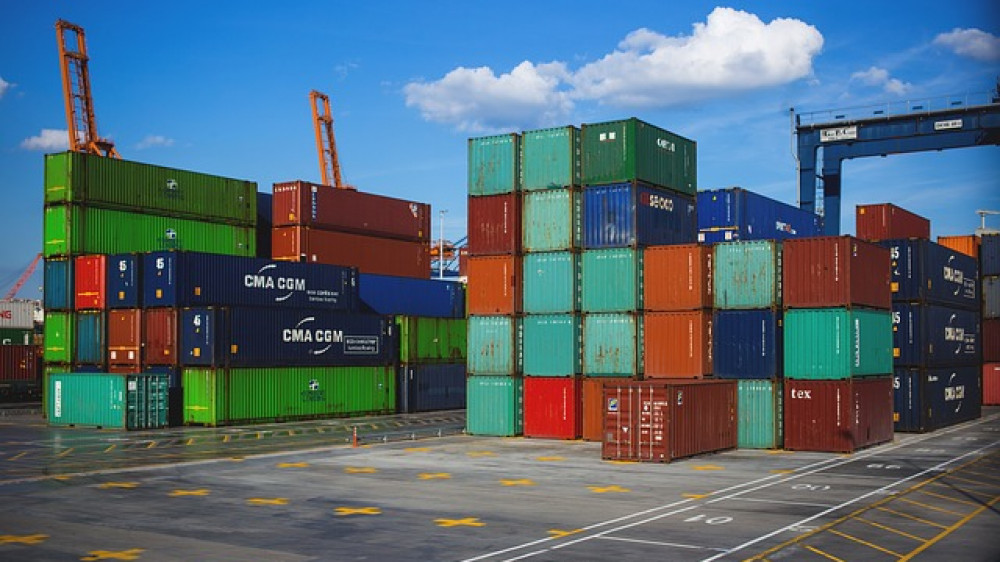
P&R Investment Scandal: Founder Arrested in Massive Container Fraud Case
Imagine investing in a tangible asset like a shipping container, expecting steady rental income, only to discover your asset never existed. This nightmare is a reality for approximately 54,000 private investors caught in the collapse of German container leasing firm P&R. The scandal, involving an estimated €3.5 billion in investor funds, took a dramatic turn with the arrest of founder and CEO Heinz R. This case serves as a stark warning about the risks in alternative investments and the importance of rigorous due diligence.
The Arrest: Founder Detained on Flight Risk Fears
On Wednesday, Heinz R. was arrested and remanded to Stadelheim prison in Munich. Prosecutors cited a risk of flight and obstruction of justice (Flucht- und Verdunkelungsgefahr). His arrest significantly dims hopes for a favorable outcome for defrauded investors and marks a critical escalation in one of Germany's largest post-financial-crisis investment scandals.
The Fraud: A Multi-Billion Euro Hole of "Ghost" Containers
The core of the fraud is shockingly simple yet vast in scale. P&R's business model involved selling shipping containers to investors and immediately leasing them back, promising a share of rental income from shipping lines. The insolvency administrator, Michael Jaffe, uncovered a devastating truth:
- Promised: P&R claimed to own and manage around 1.6 million containers.
- Reality: Only certificates for about 618,000 containers could be found.
This gap of nearly one million "ghost" containers represents a direct loss prosecutors estimate at €1.5 to €2 billion. Evidence suggests this shortfall was systematically built up since 2007.
From Legitimate Business to Suspected Ponzi Scheme
P&R, founded in 1978, long enjoyed a reputation as the world's largest container provider. Its offer of a 3-5% post-tax return seemed reasonable compared to the double-digit promises of other failed schemes like Infinus or S&K. However, the 2008 financial crisis triggered a global drop in container demand, straining P&R's operations.
Investigators now suspect the firm degenerated into a Ponzi scheme. New investor money was allegedly used not to purchase real assets but to pay "rental income" to existing investors and attract more capital. A key red flag emerged as early as 2014 when the company paid investors €190 million more than it earned from end-user leases. The influx of new capital also plummeted, from €1 billion in 2013 to just €442 million in 2016, squeezing the scheme's liquidity until its inevitable collapse.
Why Investors Were Lured In: The Allure of Tangible Assets
This case is particularly insidious because it exploited several psychological biases common among investors:
- The Tangibility Trap: Investing in a "real" asset like a container feels safer than abstract financial products. This perceived security lowered guards.
- Plausible Returns: The promised 3-5% yield was attractive in a low-interest environment but not so high as to trigger immediate suspicion of a scam.
- Longevity and Reputation: A company operating since 1978 carried an aura of stability and legitimacy, making due diligence seem less urgent.
Key Lessons for Protecting Your Investments
The P&R scandal offers critical lessons for any investor considering alternative or tangible asset investments:
| Red Flag | What to Do |
|---|---|
| Lack of Independent Verification Can you independently verify the existence and ownership of the asset? |
Demand audited reports from third-party custodians or inspectors. Never rely solely on certificates issued by the seller. |
| Complex or Opaque Cash Flow The company pays more to investors than it earns from underlying operations. |
Analyze the business model's sustainability. How does the company generate real revenue to cover payouts? Scrutinize financial statements. |
| Over-reliance on New Capital The firm's viability depends on continuously attracting new investors. |
Be wary of any investment where ongoing payouts are funded primarily by new money rather than genuine profits. This is a hallmark of a Ponzi scheme. |
| Pressure to Invest Quickly Creating a false sense of scarcity or urgency. |
Take your time. Legitimate investments will withstand scrutiny. Consult an independent financial advisor before committing significant capital. |
The Road Ahead for P&R Investors and Regulatory Implications
For the 54,000 affected investors, the path to recovery is bleak. The arrest of the founder complicates any potential restitution, and the massive asset shortfall means recoveries will be a fraction of the investments lost. This case will likely intensify calls for:
- Stronger oversight of alternative investment platforms and tangible asset funds.
- Enhanced transparency requirements, mandating independent, regular audits of underlying assets.
- Improved financial education to help investors ask the right questions and identify unsustainable business models.
Conclusion: Vigilance is Your Best Protection
The P&R scandal is a tragic reminder that even investments in "real" assets with seemingly moderate returns can be catastrophic frauds. In an era of low interest rates, the search for yield is understandable, but it must be paired with heightened skepticism and thorough research. Your most important assets in investing are not just your capital, but your time, your critical thinking, and your willingness to verify before you trust.
Before investing, always ask: Can I independently confirm this asset exists? Is the revenue model logically sustainable? And am I relying on the company's longevity as a substitute for concrete proof? Your financial security depends on the answers.